How Roof Leaks Start and How Roof Leak Repair Helps
A roof leak rarely begins with a dramatic moment. Most of the time, it starts smaller than anyone wants to admit. A little wind-driven rain finds a path where water never used to get in, a sealant joint opens slightly, a flashing loses its grip, or a low spot holds moisture a bit longer than it should. Then, over days and weeks, the roof system quietly does what roofs do when they are failing: it reroutes water from the outside to the inside.
I’ve walked into attics where the shingles look “mostly fine” from the street, but the underside tells another story. The pattern of stains, the location of wet insulation, the way droplets form on cold surfaces during a stretch of damp weather, all point to one thing. The leak started long before anyone saw the ceiling discoloration.
Understanding how roof leaks start helps you make better decisions when you’re facing roof repair, roof leak repair, or the bigger question of roof replacement.
The real job of a roof, and how leaks sneak past it
A roof is not just a top layer. It’s a system made of overlapping materials, underlayment, sealed transitions, and properly detailed edges and penetrations. When water moves across that system, it should drain, shed, or be directed away before it can cross into the building.
Leaks usually begin at the roof system’s weakest points. Those weak points are often the transitions, not the broad field of roofing. Even when the main roofing material is durable, the details that interrupt it can degrade or fail first.
In real-world repairs, I’ve seen the same theme show up over and over: the leak is not where you see the water. Water travels, and it travels along the path of least resistance, which might be a rafter bay, a wall cavity, a ventilation channel, or a hidden gap near a plumbing stack. That is why a roof inspection matters. An inspection that only checks the spot on the ceiling can miss the actual entry point.
How roof leaks start: the common pathways
Roof leaks often form when water can get under the protective layer and then collect or move laterally until it finds a route indoors. The entry point can be as small as a hairline separation in a sealant bead, or as obvious as a flashing that has shifted.
Here are several ways leaks typically start, based on how roofing systems are evaluated in practice and how contractors decide between repair and roof replacement:
1) Wind-driven rain at edges and penetrations
Wind does more than bring rain. It pushes water sideways and increases the chance that water reaches areas where surface tension and overlap seams no longer fully protect the roof membrane or shingles.
2) Flashing and sealed joints that age or move
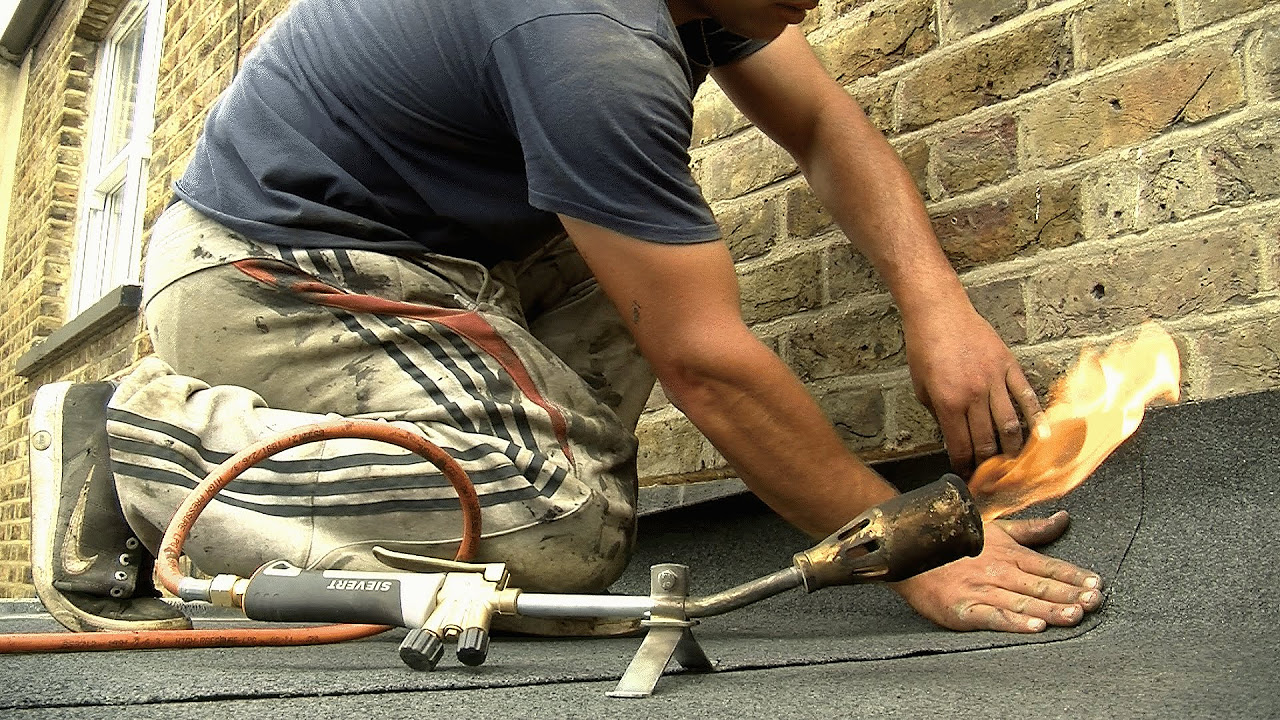
Flashing is designed to bridge roof surfaces to vertical surfaces, walls, chimneys, and pipe penetrations. When flashing is installed correctly, it directs water out and away. Over time, movement from temperature swings, roof aging, and repeated wetting can reduce performance if a joint opens or a sealant hardens.
3) Underlayment exposure and capillary action
Even if the top roofing layer holds up for a while, water can sometimes work its way beneath edges and overlaps. Once water reaches underlayment or the interface between layers, it can travel by capillary action and migrate until it reaches a lower point or a gap.
4) Low-slope water pooling and drainage issues
For flat roof installation and repair or other low-slope systems, water doesn’t always move off as quickly. If water is allowed to sit, it increases the risk of seepage through seams or compromised areas. That’s one reason flat roof replacement or targeted commercial roof repair might be discussed depending on how widespread the issue is.
5) Thermal movement and repeated freeze-thaw cycles
In cold climates, roof materials and accessories expand and contract through seasons. That movement can stress sealants and joints. If you’ve ever noticed ice dams or persistent iciness at eaves, you’re seeing how winter conditions can create pressure and trapped meltwater that searches for escape routes.
None of these pathways guarantee a leak will appear immediately. That’s the tricky part. A roof can be actively failing while staying “dry enough” to delay visible signs until the pattern builds.
The symptoms that show up first, and what they can mean
The first sign is often inside. Staining is common, but it’s not always the leak’s entry point. You might see discoloration on drywall, wet insulation in one bay, or a musty smell in an area that never used to smell that way.
Sometimes the timing gives the game away. For example, leaks that show up after heavy rain but fade when conditions improve often suggest an entry related to surface water movement. Leaks that persist through longer damp stretches can indicate a deeper pathway or a roof system component that is still allowing moisture intrusion even when precipitation eases.
If you’re dealing with residential roof installation or a long-established roof, the roof’s age matters. A smaller, isolated issue can sometimes be repaired, while older roofs, widespread damage, recurring leaks, or multiple trouble spots may point toward replacement. That judgment shows up in manufacturer guidance, and it’s consistent with what contractors see on the job.
Why prompt roof leak repair matters more than people expect
When a roof leaks, the immediate problem is the water itself. But the secondary problems arrive quickly: damaged building materials, degraded insulation, mold potential, and hidden deterioration in concealed assemblies.
Even when you don’t see dramatic damage, moisture can undermine performance. Materials can absorb water and lose their original function. Fast roof leak repair reduces the time water has to do that work.
There’s also a practical reason to move quickly. The longer a roof stays in a compromised state, the more likely the “story” changes. A leak that began as a small penetration issue can end up associated with adjacent components because repeated wetting accelerates failure in surrounding areas.
That is where emergency roof repair becomes relevant. After a storm event, the priority is often to stop active intrusion while a proper roof inspection identifies the underlying cause. Emergency measures are meant to be temporary, but they are crucial for limiting damage until a permanent repair or commercial roof repair plan is ready.
Repair or roof replacement after a leak? The decision that actually affects your outcome
One of the most important questions homeowners and building owners ask is simple: should this be repaired or replaced?
There is no single rule that fits every situation. Roof repair can make sense when the problem is truly isolated and the roof system around the issue is still performing. Roof replacement after leak becomes more likely when you see widespread damage, repeated trouble in multiple areas, or a roof that has aged to the point where new leaks are more likely to follow.
Manufacturer guidance commonly frames it this way:
- Small, isolated problems are often candidates for repair.
- Older roofs and recurring or widespread issues often justify replacement.
That aligns with contractor decision-making and with risk-based evaluation after hazards like wind, rain, hail, ice, snow, or fire damage. In fact, post-event evaluation can identify cases where repair is preferable to full replacement, depending on what the hazard did to the roof system.
A real-world pattern I’ve seen
A few years back, I was called to look at a ceiling stain that appeared right after a storm. On the inside, it looked like a localized event. From the attic access, the staining lined up with a particular corner and a nearby roof detail.
The repair team could have chased a quick patch at the visible moisture line. Instead, the roof inspection focused on the transition and verified how water was getting in. The fix addressed the actual entry point, not just the aftermath. The difference was that once the correct pathway was corrected, the next rain cycle didn’t recreate the same interior pattern.
That doesn’t mean replacement is never right. It means the decision hinges on where the leak starts, how extensive the roof system compromise is, and whether the rest of the roof is still likely to perform.
Residential roof leak repair vs roof replacement
Residential buildings have their own rhythm. Asphalt shingle roofing remains the dominant residential roofing material in the U.S., and it generally lasts around 20 to 30 years depending on conditions. When asphalt shingle roof performance declines, leaks can show up at transitions first, even before large sections visibly fail.
Architectural shingles are a premium laminated type of asphalt shingle, and they can carry different expectations for longevity and aesthetics. Still, even the best shingle cannot “outperform” failed flashing, inadequate detailing, or underlayment issues.
As a contractor, the practical way I think about residential roof replacement after a leak is this: if the roof is nearing the end of its service life and leaks are recurring or showing multiple trouble spots, you’re often buying a repeating problem when you repair. But if the roof is still comparatively intact and only a limited area is compromised, roof repair can be the smart, cost-effective path.
Roof replacement cost can vary widely by roof size, materials, and project complexity. As one example from industry reporting, an average 2023 roof replacement cost for an asphalt shingle roof has been reported at $14,959, though actual costs can be higher or lower. That’s exactly why an inspection and clear scope matter.
Material-specific considerations that influence repair outcomes
Different roofing materials behave differently under stress:
- Slate roof installation and repair and tile roof installation and repair involve heavy, distinct pieces and their set details, so failure often concentrates at edges and penetrations.
- Wood shake roofing and cedar shake roofing can be vulnerable to rot or loss of integrity where the underlayer is compromised.
- Metal roof installation and repair and commercial metal roofing often shift the conversation toward seams, penetrations, and the integrity of transitions.
- Rubber roofing EPDM and PVC roofing and TPO roofing installation for low-slope or membrane systems often come down to seam performance, detailing, and drainage patterns.
Your contractor should use the roof inspection findings to match the repair method to the material system that is actually failing.
Commercial roofs: why “repair” can look different on a business building
Commercial roof repair and commercial roof replacement decisions are shaped by the roof type, building use, and how quickly you can disrupt operations.
Low-slope systems are common in commercial settings, and materials such as TPO roofing installation, EPDM commercial roofing, modified bitumen roofing, and PVC roofing each have their own aging and detailing patterns. Fire damage roof replacement, hail damage, wind exposure, and structural distortion can change whether repair is feasible. That’s why post-event evaluation is so important, and why it’s not uncommon for a commercial roof installation or commercial roofing contractor to propose different scopes based on what the hazard did and what the roof inspection reveals.
When commercial roofs leak, the leak path is often different than on a typical home. Buildings can have more penetrations, more mechanical equipment, and more complicated roof penetrations for HVAC, pipes, and electrical runs. Water can also move across assemblies in ways that are less obvious from a quick walk-around.
That’s where roof inspection procedures matter. A competent contractor looks beyond the first visible stain, tracking likely pathways based on where water would travel on the roof surface and how it would enter at transitions.
Emergency roof repair: what it’s for, and what it doesn’t replace
Emergency roof repair is not a permanent solution. It’s a damage-stabilization step. When weather has breached the roof system, you want to reduce ongoing water intrusion as soon as it is safe to do so.
In practice, emergency response focuses on stopping active leaks, protecting the building interior, and creating roof replacement warranty conditions for a proper evaluation. After the immediate stabilization, the real work is the roof inspection that identifies the original entry point and the condition of the surrounding system.
It’s also where professional guidance helps. Major manufacturers advise using a professional contractor to decide whether repair or replacement is best. That advice matters because a “temporary fix” done at the wrong location can hide the true failure and allow ongoing water intrusion elsewhere.
Roof inspection: how professionals find the leak start instead of only the leak end
A quality roof inspection is where the process becomes real, not guesswork. The goal is to identify the likely entry point and determine whether the rest of the roof system can still perform.
A thorough inspection typically considers:
- The roof’s age and the risk profile of the material system
- The location of interior staining relative to roof components
- Visible damage on the exterior, including at edges, penetrations, flashing, and transitions
- How the roof drains or where water might pool
The reason this matters is simple: the leak start often isn’t where the water shows up. Water can migrate behind finishes or travel along structural members. If someone only “repairs the stain,” they can miss the real problem and end up back on the ladder after the next storm.
Repair and replacement scopes that help restore performance
A repair scope aims to restore the roof system at the failure points. A replacement scope aims to reset the system more broadly, removing old materials and reinstalling a complete roof assembly.
A typical roof replacement includes removing old roofing materials, installing new underlayment and roofing materials, replacing flashings and ridge caps, and cleaning up the site. That’s the kind of comprehensive approach that changes how future leaks behave, particularly when multiple trouble areas are already showing up.
On commercial metal roofing or systems that involve membranes and seams, replacement and repair scopes can differ in what they target. Some jobs involve localized commercial roof repair, while others justify a broader commercial roof replacement after leak due to widespread compromise or recurring events.
Signs you’re closer to roof replacement than another repair
You might start with the intention of roof repair, but the roof keeps telling a story. If you keep seeing the same pattern after each rain, or if multiple locations start leaking, it becomes harder to justify piecemeal fixes.
Here are common indicators that replacement may be the better long-term move:
- The roof is older and already approaching or beyond its expected service life.
- Leaks are recurring or showing up in multiple trouble spots.
- Damage is widespread rather than isolated to a single transition or penetration.
- The interior evidence suggests the leak pathways are moving through more than one assembly.
- Roof inspection reveals that the surrounding system components have lost integrity, not just a single failed part.
Even then, it can still come down to specific findings. Some roofs can be repaired even after a storm event, especially when evaluation shows repair is preferable.
How to prepare for a repair visit (and make the results easier to trust)
Before a contractor arrives, you can help the process by documenting what you see. That doesn’t replace a roof inspection, but it gives the team a cleaner starting point and can speed up the identification of likely pathways.
Here’s what to document, if you can do it safely:
- Photos of the interior staining or wet spots, including the surrounding area
- Approximate dates and what weather conditions preceded the leak
- Photos from the exterior when safe, especially at roof edges, penetrations, and any visible damage
- Any recent work, such as plumbing repairs, HVAC maintenance, or prior roofing repairs
- Whether the leak appears during rain only or also during other conditions
If the leak is active, prioritize safety and interior protection. Don’t put yourself in a position where a fall or electrical hazard is possible. A professional can assess what’s reachable and what isn’t.
The trade-offs that matter: cost, disruption, and durability
When people hear “roof replacement,” the first reaction is usually sticker shock. It’s hard to compare options when you’re dealing with urgent leaks, interior damage, and unpredictable weather.
But cost comparisons are only useful when the scopes are comparable. A patch at a single seam is not the same as a full reset of an aging roof assembly.
For residential asphalt shingle roofing, the timeline matters. If a roof typically lasts about 20 to 30 years, then a leak occurring near the end of that range can push the decision toward asphalt shingle roof replacement, even if the immediate leak seems localized. Conversely, if the roof is still relatively new and the leak traces to a specific flashing issue, roof repair might restore performance at a more sensible cost.
For commercial buildings, the trade-offs include business disruption. Roof work schedules can require coordination around tenant operations. Emergency roof repair might be necessary first, then commercial roof repair or commercial roof replacement can follow when conditions allow a complete installation.
What “good” roof leak repair looks like after the work is done
The best repair is not the one that looks neat from the street only. It’s the one that prevents the leak from returning through the same pathway.
After a roof leak repair, you should expect clearer documentation of what was found during roof inspection and what was repaired. You should also expect the contractor to address the leak’s start location, not just the effect inside.
If the work involves replacement, the goal is broader performance restoration. A typical replacement includes removing existing roofing materials, installing new underlayment and roofing materials, replacing flashings and ridge caps, and cleaning up the site. That comprehensive approach is why replacement can reduce the odds of “the next leak” showing up shortly after a patch.
Special cases: storm damage, fire, and when the roof system changes its rules
Not all leaks follow the usual aging pattern. After hail, wind, ice, or snow events, damage can occur in ways that aren’t obvious from a quick glance. IBHS guidance emphasizes that properly designed, installed, and maintained roofs can significantly reduce damage from hazards like wind, rain, hail, ice, snow, and fire, and that post-event evaluation can identify cases where repair is preferable to full replacement.
Fire damage roof replacement is a good example of a scenario where assumptions can be dangerous. Heat and combustion can affect roof assemblies in ways that are not limited to the surface. That is one reason professional evaluation is so important and why contractors typically rely on roof inspection findings to determine the correct scope.
Bringing it together: why roof leak repair is both urgent and strategic
A roof leak is a time-sensitive problem, but the repair decision is strategic. If you focus only on stopping what you can see, you can miss the leak start and end up doing repeat repairs. If you jump straight to roof replacement without confirming the scope, you may pay for an oversized solution.
The middle ground, the one that usually produces the best results, is a proper roof inspection followed by repair or replacement based on findings. Manufacturer guidance reflects this general principle, and contractors apply it every day when weighing repair versus replacement, especially for older roofs, recurring leaks, and multiple trouble spots.
Whether you’re dealing with residential roof installation, asphalt shingle roofing, slate roof installation and repair, wood shake roofing, metal roof installation and repair, flat roof installation and repair, tile roof installation and repair, or commercial systems like TPO roofing installation, EPDM commercial roofing, modified bitumen roofing, commercial metal roofing, or PVC roofing, the logic stays the same.
Find the entry point. Fix the system, not the symptom. And choose repair or roof replacement based on how extensive the roof damage is and whether the rest of the roof can still protect your building.
That’s what roof leak repair is really about, and it’s why the job matters even more than the stain on the ceiling.